.
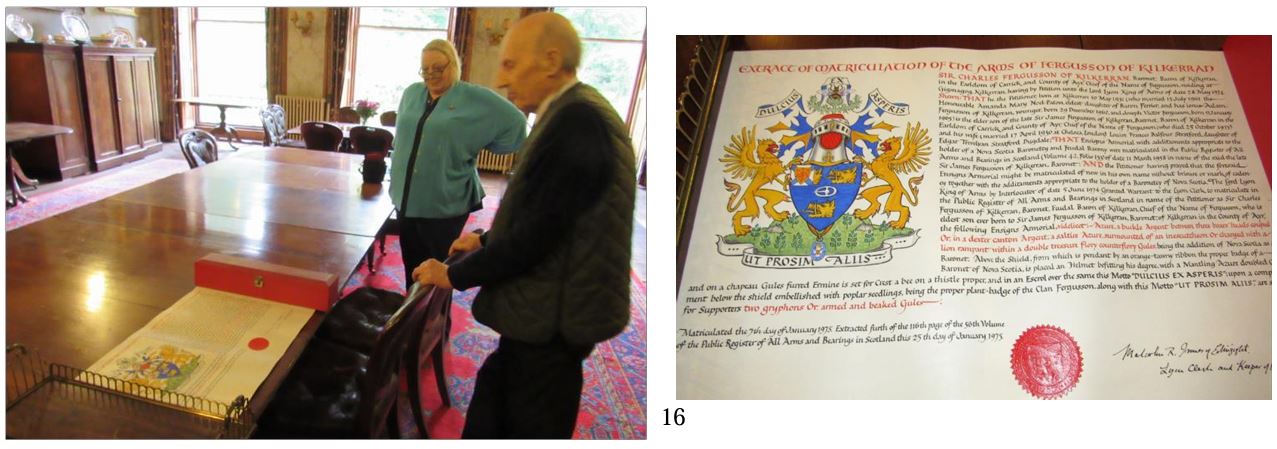
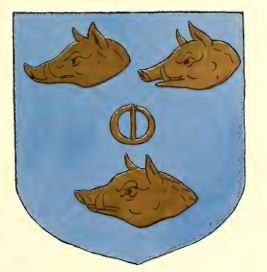
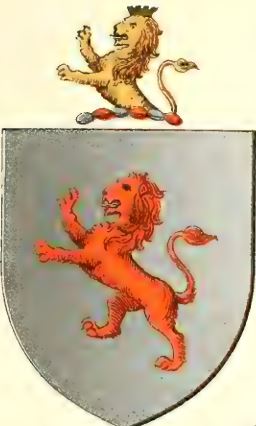
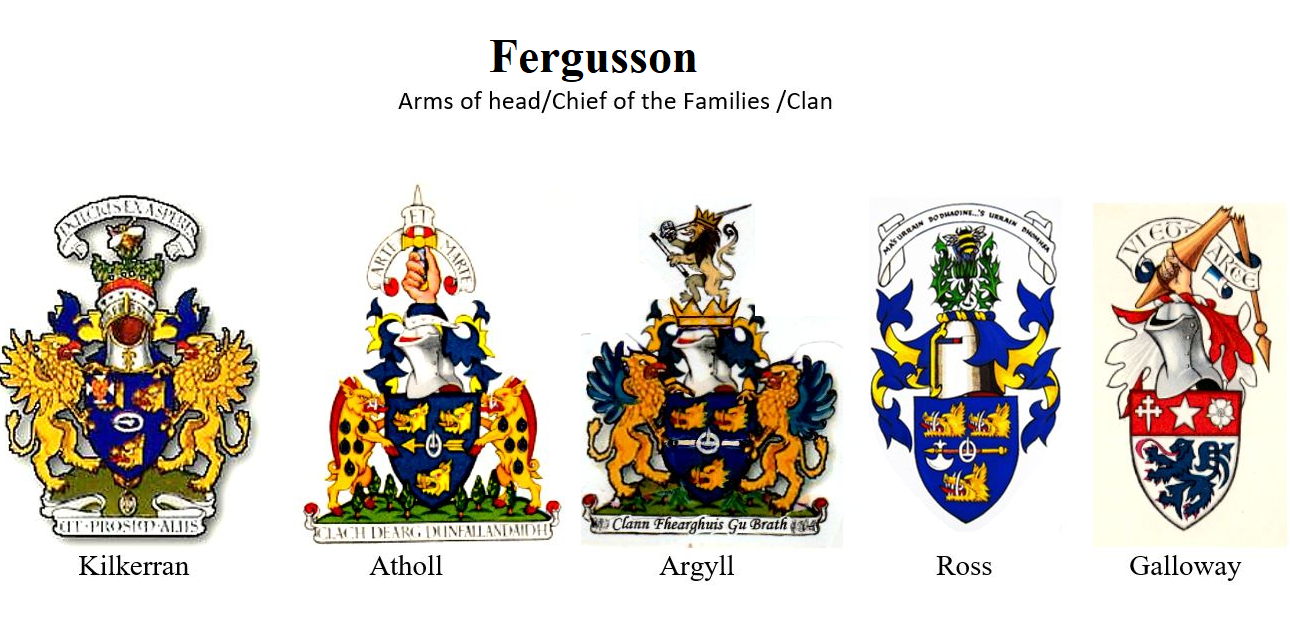
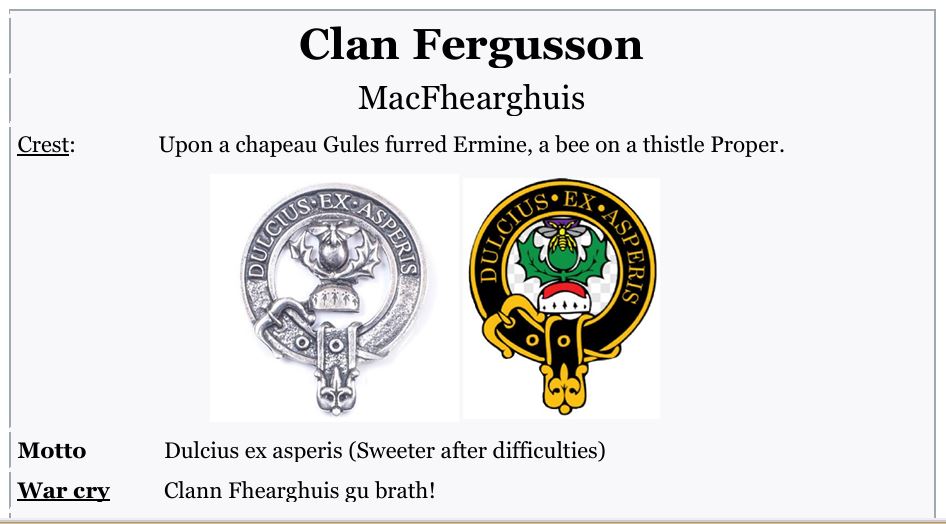
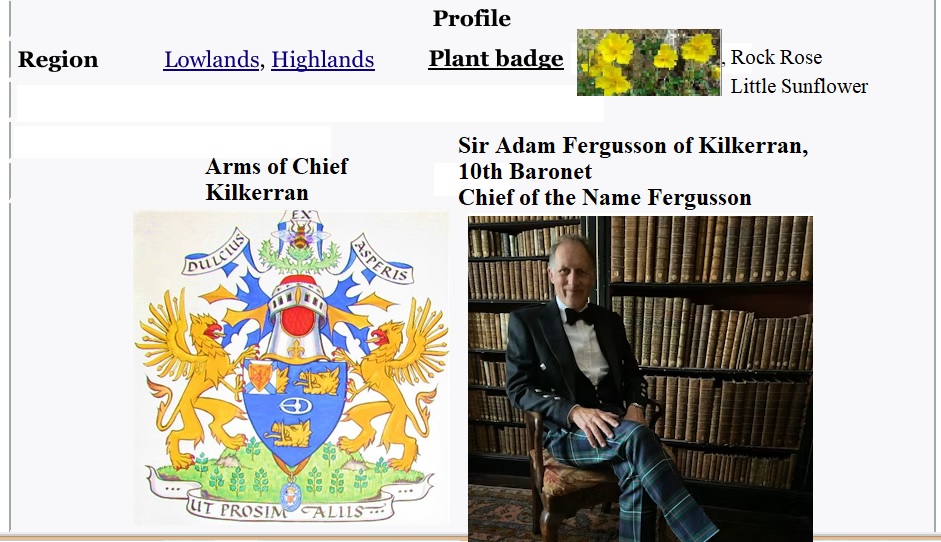
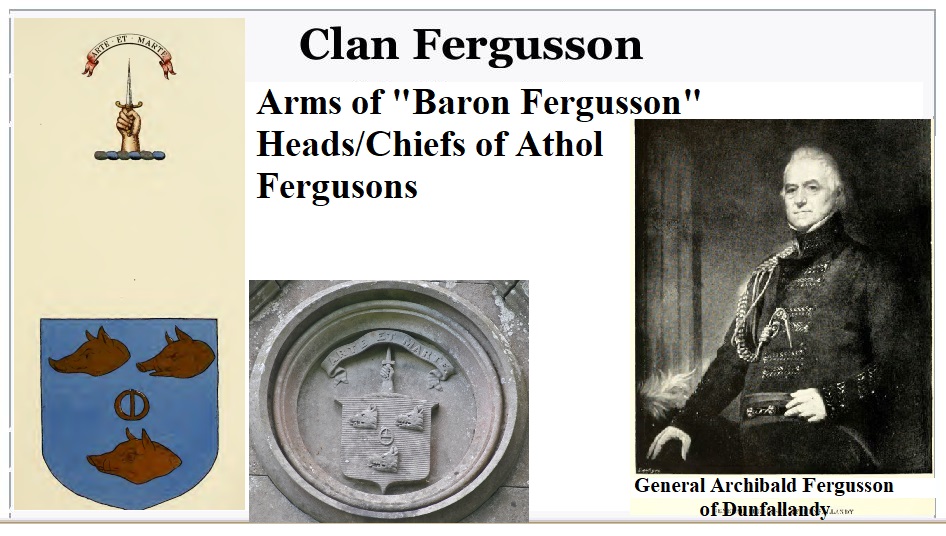
Ancient Arms of the Fergus(s)ons. Three boars and buckle are most common for most Fergussons which suggest DalRaida connections. The Rampant Lion used by Fergussons of Galloway.
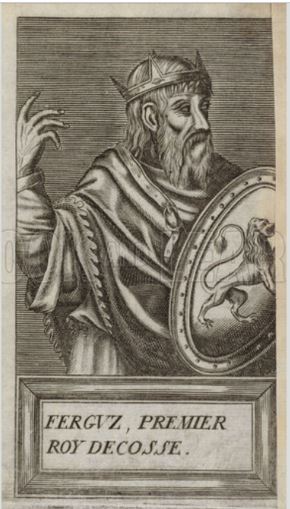
Historians of the past have written that King Fergus initiated the Red Lion Rampant likely was a personal image. That includes many written old accounts from neigboring highland clans and associations mostly related to the old highland clans. This is of course the Red Lion Rampant symbol is Scotland Royal emblem. And since King Fergus is the legendary King it started from him. Some revisionist historians discount,"citing lack of evidence", being heraldry started in the 12th century. This account on Wikipedia says it best...
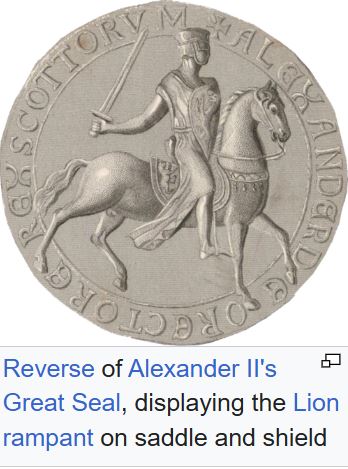
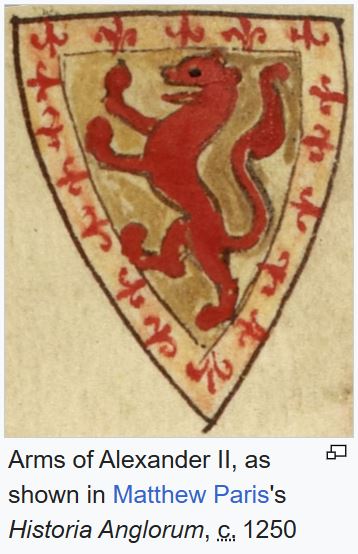
"A form of these arms was first used by King William the Lion in the 12th century, though no trace of them can be made out on his seal. However, a lion rampant can clearly be made out on the seal of his son, Alexander II. Over the years many writers have claimed them to be much older; even Alexander Nisbet, considered to be one of the more reliable Scottish heralds, claims that a lion was first adopted as a personal symbol by the legendary Fergus, with the royal tressure being added in the reign of Achaius."
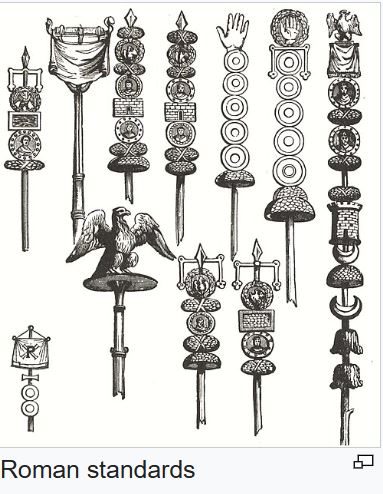
Biblical tribal standards originated as literal military and camping markers during the Exodus period (circa 1440–1260 BCE), but their identification with specific graphic symbols—like the Lion of Judah—developed through a combination of biblical metaphors. Even Romans had standards for identifying their units.
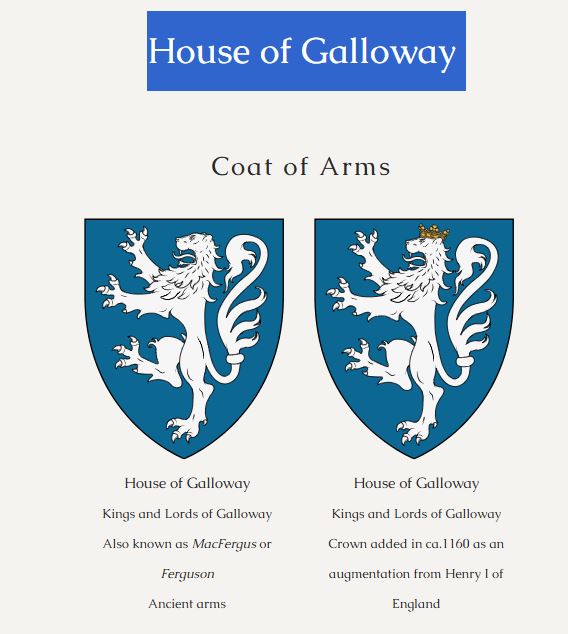
The House of Galloway Arms predate the 12th century, from Prince of Galloway Fergus to Henry.

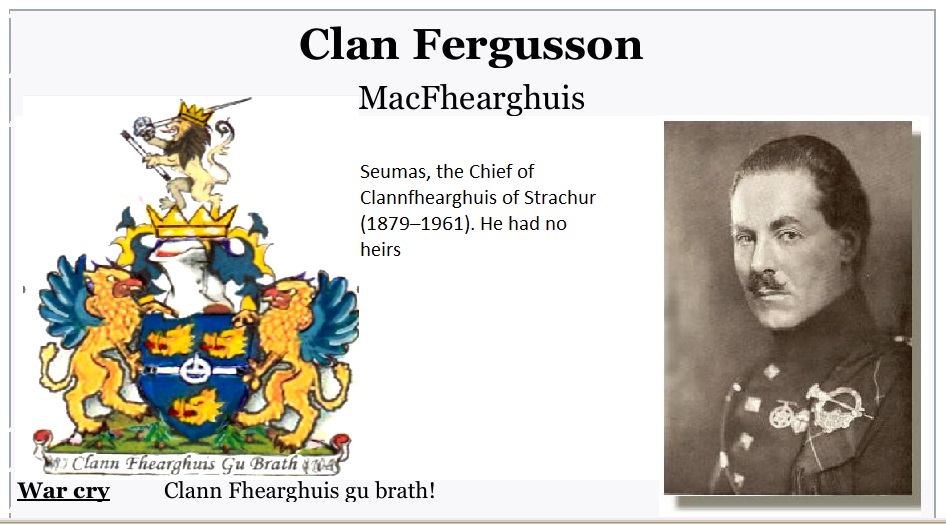
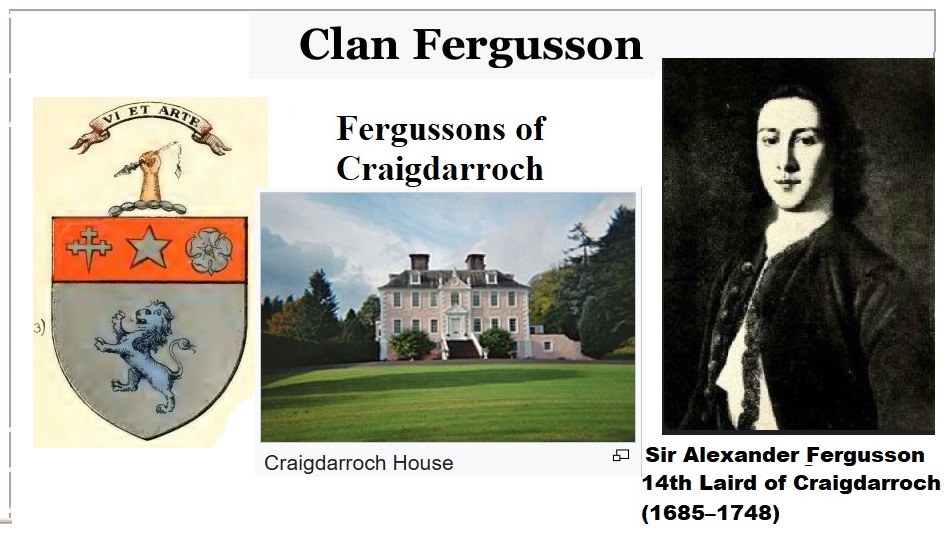
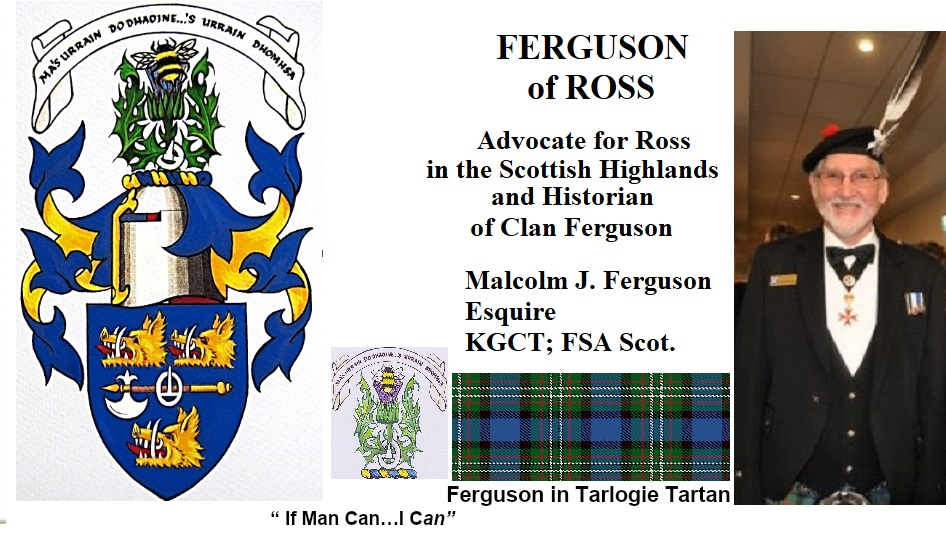
English heraldry, Scottish heraldry, and Welsh heraldry
In the heraldic traditions of England and Scotland, an individual, rather than a family, had a coat of arms. In those traditions coats of arms are legal property transmitted from father to son; wives and daughters could also bear arms modified to indicate their relation to the current holder of the arms. Undifferenced arms are used only by one person at any given time. Other descendants of the original bearer could bear the ancestral arms only with some difference: usually a colour change or the addition of a distinguishing charge. One such charge is the label, which in British usage (outside the Royal Family) is now always the mark of an heir apparent or (in Scotland) an heir presumptive. Because of their importance in identification, particularly in seals on legal documents, the use of arms was strictly regulated; few countries continue in this today. This has been carried out by heralds and the study of coats of arms is therefore called "heraldry". In time, the use of arms spread from military entities to educational institutes, and other establishments.[6]
In England, Northern Ireland and Wales the use of arms is a matter of civil law and regulated by the College of Arms and the High Court of Chivalry.
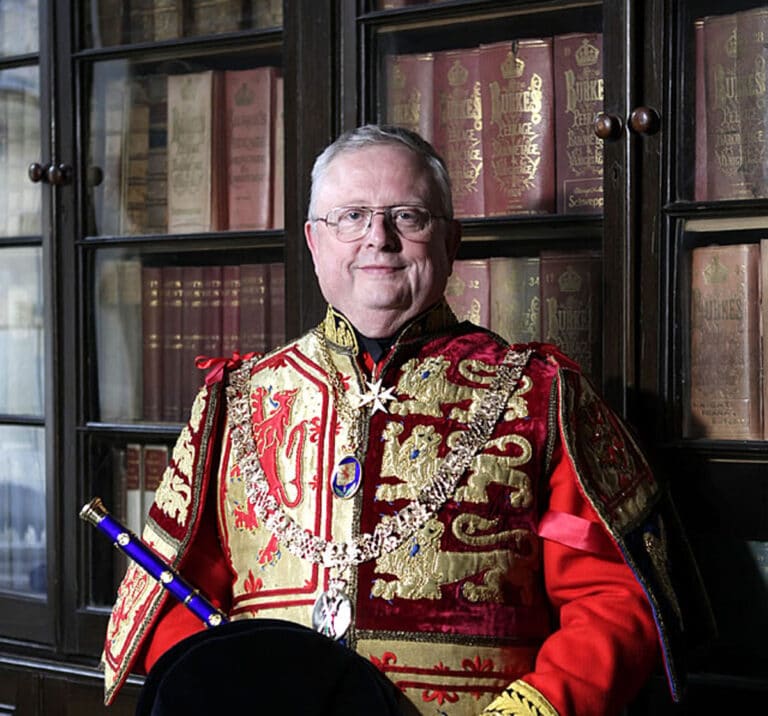
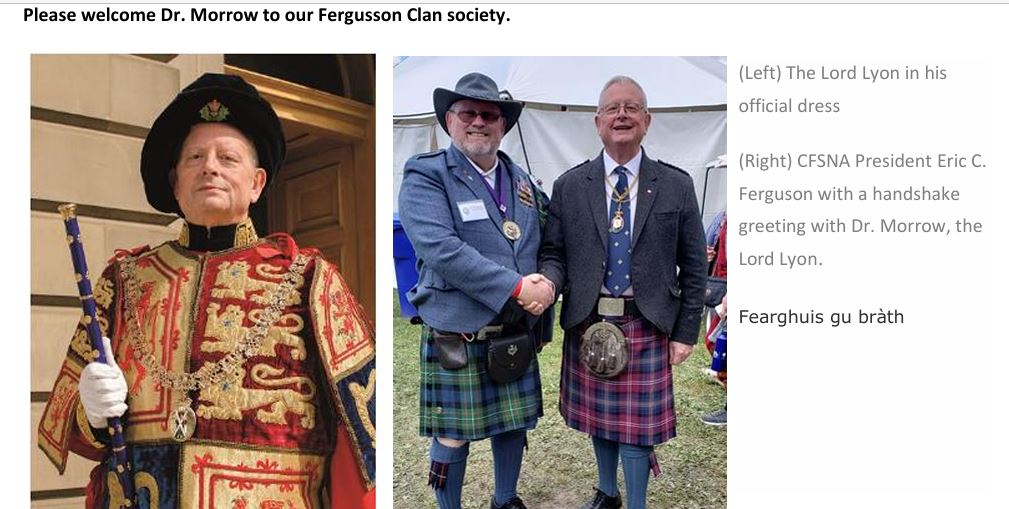
In Scotland, the Lord Lyon King of Arms has criminal jurisdiction to control the use of arms. The Lord Lyon King of Arms is the official head of the Court of the Lord Lyon in Scotland. This person regulates Scottish heraldry, grants new coats of arms, serves as a judge in the oldest active heraldic court in the world, and oversees state ceremonies. source Wikipedia. All of the above Fergusson Arms previously mentioned are registered with the Lord Lyon.